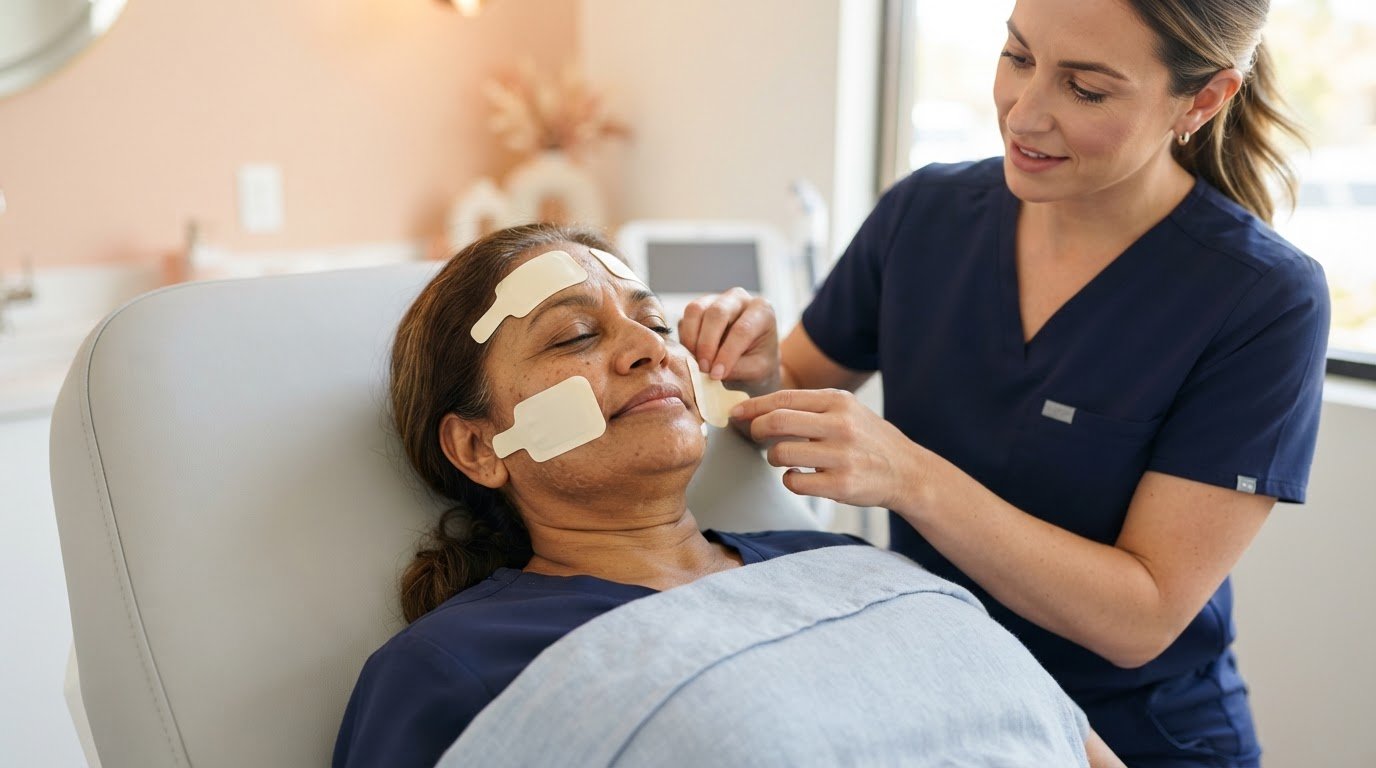
A non-surgical brow lift usually creates a subtle change: it may raise the brow by a few millimeters rather than repositioning it as surgery can. For a non-invasive brow lift in Tustin, the degree and duration of lift depend on the method and your brow anatomy.
That modest shift can still make a visible difference, but the right expectation matters. A non-surgical approach can soften the brow area without the scale of change or recovery associated with surgery.
This article compares the lift and longevity of different non-surgical treatments, outlines potential aftercare, and explains how results develop. You’ll also learn which factors can help you choose between a temporary adjustment and a more lasting structural change.
Key Takeaways
- Identify which treatment approach aligns with your brow position, desired change, and tolerance for recovery.
- Understand how treatment type and individual anatomy influence when results appear and how long they may last.
- Use practical aftercare steps to support recovery and protect your results over time.
- Recognize when significant brow descent or excess upper eyelid skin may call for a surgical evaluation rather than injections.
- Explore how NAWRA’s wellness and body-composition services fit into a broader, data-informed approach to personal goals.
How much lift can a non-surgical brow lift actually give me?
A non-surgical brow lift generally creates a modest elevation, not the structural repositioning possible with surgery. The result depends on your starting brow position, facial anatomy, and chosen treatment. A consultation with a qualified professional can help clarify whether your goal is a slight change to the arch, softer frown lines, or more substantial elevation.
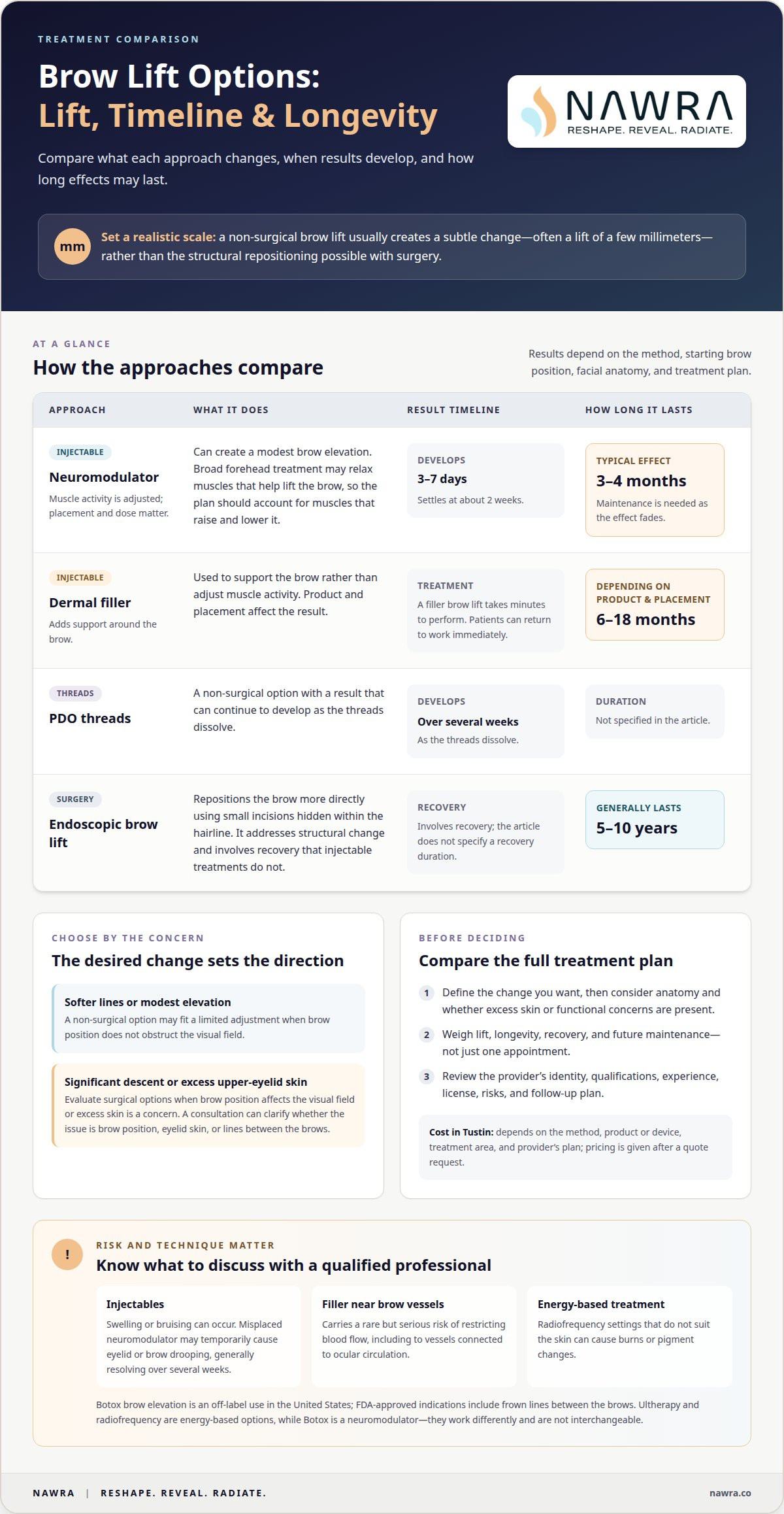
With neuromodulator treatment, results develop gradually over three to seven days and settle at about two weeks. The effect typically lasts three to four months. Broad treatment across the forehead can relax muscles that help lift the brow, so placement and dose matter. The treatment plan should account for the muscles that raise and lower the brow, rather than treating every forehead line alike.
Other methods have different timelines. Dermal filler used to support the brow generally lasts six to eighteen months, depending on the product and placement. PDO thread results can continue to develop over several weeks as the threads dissolve. These treatments work differently: filler adds support, while neuromodulators adjust muscle activity. The plan should match the change you want.
Surgical results can last longer. Endoscopic brow lift results generally last five to ten years, while nonsurgical options require maintenance as their effects fade. Endoscopic surgery uses small incisions hidden within the hairline to change brow position more directly, and involves recovery that injectable treatments do not. Compare not just the amount of lift, but also how long it lasts and what recovery you can accommodate.
In Tustin, treatment cost depends on the method, product or device, treatment area, and provider’s plan; the price is given after a quote request. The relevant comparison is the full treatment plan, including any future maintenance, rather than a single appointment in isolation.
Risks vary by method. Injectables can cause swelling or bruising. If neuromodulator is misplaced, eyelid or brow drooping may occur temporarily and generally resolves over several weeks. Filler near brow blood vessels carries a rare but serious risk of restricting blood flow, including to vessels connected to ocular circulation. Radiofrequency treatment can cause burns or pigment changes if settings are not suited to the skin.
Before treatment, review the professional’s identity, qualifications, and experience with the specific injection or energy-based procedure. Verify their license through the appropriate California licensing authority. Ask how the plan accounts for brow anatomy, potential risks, and follow-up. For example, an injection plan should explain how it aims to avoid unwanted brow lowering.
A non-invasive brow lift in Tustin may suit someone seeking a modest change, such as slight elevation. Significant brow descent, excess upper-eyelid skin, or brow position affecting the visual field calls for evaluation of surgical options rather than relying on injections alone.
Choosing between surgical and non-surgical brow lifts
Start by defining the change you want: softer lines, modest elevation, or repositioning of a descended brow. A nonsurgical treatment may suit a limited adjustment; surgery addresses structural descent more directly. The choice affects recovery, longevity, and whether excess upper-eyelid skin can be addressed.
Ultherapy and radiofrequency are energy-based options; Botox is a neuromodulator. They work differently and are not interchangeable. Radiofrequency settings must suit the treated skin because mismatched settings can cause burns or pigment changes. Botox brow elevation is an off-label use in the United States; FDA-approved indications include frown lines between the brows.
A nonsurgical approach may suit someone seeking a modest cosmetic change whose brow position does not obstruct their visual field. The plan should account for facial anatomy and the muscles that raise or lower each brow. For example, relaxing forehead muscles too broadly can lower the brow, so placement and technique matter.
Significant brow descent, substantial excess upper-eyelid skin, or brow position affecting the visual field are reasons to evaluate a surgical brow lift or blepharoplasty. Brow lift surgery is performed under general anesthesia. A consultation should clarify whether the main concern is brow position, eyelid skin, or lines between the brows.
Which Tustin med spas and dermatology clinics offer these treatments? Service menus vary, and a reliable answer depends on each practice’s current offerings. For any procedure, assess the treating professional’s credentials and experience with the specific technique, then discuss the expected result and risks before treatment.
Are consultations or financing available in Tustin? Consultation and financing policies are set by individual practices, so availability varies. A consultation is the opportunity to discuss your goal, review whether an injectable or energy-based method fits it, and understand the treatment plan before deciding.
Use a practical decision sequence: define the desired change, identify whether excess skin or functional concerns are present, then compare recovery and longevity. If pronounced descent or vision impact is the main concern, prioritize surgical evaluation. For a modest goal, ask how the method will be applied and what risks may matter for your anatomy.
For a separate full-body wellness goal, ExoPod Full-Body Therapy is a distinct option, not a brow-lift treatment. Keeping those goals separate helps you choose a procedure based on the concern it can address.
For a separate full-body wellness goal, keep that choice distinct from a brow-lift decision; the appropriate approach depends on the concern being addressed. A non-surgical brow lift using filler takes only minutes to perform. Patients can return to work immediately after a non-surgical brow lift using filler. Discuss filler placement and the expected result with the treating professional before deciding.
Discuss neuromodulator placement carefully: treating the forehead too broadly can lower the brow by relaxing muscles that lift it. For surgery, account for healing in your plans; a hairline brow lift typically takes a few months to heal. Consider how each option fits your goal and recovery needs.
Aftercare and maintaining results
After a non-surgical brow treatment, plan the first week around the specific method used. Most patients can return to regular routines within one to two days, but strenuous exercise, facial massage, and direct sun exposure are generally avoided for about a week. These limits help protect the treated area while early swelling settles.
Filler results are visible right away, although swelling can affect the early appearance. Swelling after filler or fat treatment generally settles over one to two days, while minimal swelling may take a few days to subside. Allow time for swelling to fade before judging symmetry or deciding whether the settled result matches your goal.
For the first week after treatment, keep these practical points in view:
- Hold off on strenuous exercise for about a week.
- Avoid facial massage and direct sun exposure during that period.
- Expect filler-related swelling to settle over one to two days, with minimal swelling sometimes lasting a few days.
- With PDO threads, allow several weeks for results to continue improving as the threads dissolve.
Symmetry also deserves a measured review. Brow asymmetry can occur after non-surgical treatment and is often correctable with a small adjustment at follow-up. A useful approach is to let initial swelling settle, then assess the appearance rather than reacting to small differences immediately after treatment. A follow-up gives the treating professional a chance to evaluate how each brow has responded.
Surgery follows a longer recovery timeline. After an endoscopic brow lift, swelling usually subsides within a week, while swelling and bruising generally settle within a few weeks. Light activities are typically resumed one to two weeks after surgery; more intensive exercise generally waits until three weeks after the procedure. These milestones differ from those following nonsurgical treatment.
Recovery depends on the procedure. Thread lifts, filler treatments, and endoscopic surgery have different aftercare schedules, so follow instructions for the specific technique rather than applying one method’s timeline to another. For example, improvement over several weeks with PDO threads differs from the early swelling period after filler.
For lasting results, treat aftercare and maintenance as separate parts of the plan. Avoiding exercise, massage, and direct sun for about a week addresses early recovery; maintenance addresses how results change over time. Record when the treatment was performed and note changes in brow appearance, so the next treatment discussion can focus on observed results rather than memory.
Brow lift longevity
Longevity is most useful as a planning question, not a single number. First identify what you want to maintain: brow height, a smoother forehead, or a softer expression. Each describes a different visible change. A plan can then focus on the feature that matters to you rather than treating every line or sign of aging as the same concern.
Your starting point matters. Someone focused on a slight arch may judge results differently from someone concerned about visible sagging. Natural facial asymmetry also affects how a change looks from side to side. Describe the appearance you want to preserve or adjust so the discussion has a clear reference point.
Use consistent observations to assess whether the result still meets your goal. Compare photographs with similar lighting, facial expression, and camera angle. Note whether the brow looks balanced at rest and when you raise your eyebrows. This helps distinguish a change in treatment effect from differences in expression or photo angle.
Let those observations guide maintenance decisions. If the original goal is still being met, there may be no reason to change the plan. If the brow no longer looks as intended, identify what has changed before discussing another treatment. For instance, returning forehead movement and a change in brow position are distinct observations, even if both affect your expression.
Bring these details to a consultation:
- The feature you wanted to change, such as brow shape or forehead movement.
- What looks different now, using a consistent photo or a clear example.
- Whether your priority is to maintain the current appearance or adjust the plan.
- Any change in your preferences about a natural-looking result or treatment approach.
This approach supports a more precise conversation than relying on a general impression that treatment has “worn off.” A smooth, youthful appearance is subjective; your own goal is a more useful measure than someone else’s standard. If sagging becomes the main concern, explain how it affects your facial balance and discuss whether the original approach still suits that concern.
There is no single maintenance schedule that suits every method and preference. Link the desired appearance to what you observe over time, then revisit the goal if it changes. This keeps decisions focused and follow-up discussions specific, helping you decide whether maintaining the current result remains a priority.
Many patients can enjoy brow lift surgery results for several years. This offers context for planning, not a personal schedule or a guarantee that every result will last the same length of time. Assess whether the appearance you want to maintain still suits you, and use your observations to guide follow-up discussions. A general estimate can frame expectations, but your own goal is the more useful reference.
What non-surgical brow lift treatments are available in Tustin, California?
Nonsurgical brow treatment options include neuromodulators, dermal fillers, PDO threads, and energy-based procedures such as radiofrequency or Ultherapy. Each works differently. Match the method to the goal: adjusting muscle activity, supporting the brow, or using a device-based treatment.
Neuromodulators, including Botox, reduce activity in selected muscles. Brow elevation is an off-label use in the United States; FDA-approved indications include frown lines between the brows. A neurotoxin brow lift takes only a few minutes. Results generally develop over three to seven days and settle at about two weeks. Broadly treating the forehead can lower the brow, so precise placement matters.
Dermal filler provides support rather than changing muscle activity. A filler brow treatment takes minutes, and results are visible right away. Swelling can affect the early appearance. Filler choice and placement influence the result and its duration, which generally ranges from six to eighteen months. This option may suit someone seeking support around the brow, rather than reduced movement between the brows.
PDO threads are placed to create a lift, with improvement continuing over several weeks as they dissolve. Thread type and anatomy affect the treatment plan. Unlike filler, threads aim to reposition tissue rather than add volume. Neuromodulators work differently, by altering muscle activity.
Energy-based treatments, including radiofrequency and Ultherapy, use a device rather than injections. Their approach differs from Botox or filler, so do not assume the expected changes or treatment plans are the same. Radiofrequency settings must suit the treated skin; poorly matched settings can cause burns or pigment changes. Ask what area the device targets and how settings are selected.
A practical way to compare options is to match each method to the concern:
- For movement-related frown lines, discuss whether neuromodulator placement fits the desired brow position.
- For added brow support, consider how filler placement addresses the specific area.
- For a thread-based lift, discuss thread type and the gradual improvement period.
- For device-based treatment, ask how the energy method and settings suit the treatment area.
In Tustin, a treatment discussion can clarify the method, placement, expected timeline, and risks before a procedure. Those details help distinguish a modest muscle-based adjustment from added support or a device-based approach. If your wellness goals extend beyond brow position, explore a broader wellness approach.
NAWRA
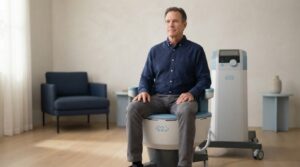
NAWRA supports broader wellness goals with EMSCULPT NEO, DEXA Body Composition, ExoPod Full-Body Therapy, and BOA Lymphatic Drainage. These services address wellness and body-composition priorities, separate from brow-lift treatment decisions.
NAWRA serves clients in Los Alamitos, Cypress, Cerritos, Long Beach, Seal Beach, La Palma, Buena Park, Lakewood, Anaheim, Norwalk, Irvine, Laguna Niguel, Newport Beach, Huntington Beach, Bellflower, Tustin, Fullerton, and Yorba Linda. Turn to NAWRA to discuss those wellness goals as a distinct part of your plan.
Contact NAWRA to discuss your wellness goals and available services.
Choose a next step that fits your goals
As you consider a non-invasive brow lift in Tustin, define your goal before choosing a treatment path. Describe your priority in plain terms, such as a softer expression or a more lifted appearance. Consider what you want to preserve about your natural features, too. A clear goal makes it easier to weigh options against your preferences.
You can also separate brow-related decisions from other wellness priorities. They call for different approaches, and keeping them distinct helps you choose each step for the right reason. If you have broader wellness goals, contact NAWRA to discuss your options.
Move forward at your own pace, guided by a clear goal and an informed plan.
Frequently Asked Questions
What Is a Browlift?
A brow lift is a procedure or treatment intended to alter brow position or the appearance of the brow area. An assessment considers brow shape, expression at rest, and how the forehead and upper eyelids relate visually. Before deciding on an approach, identify the feature you want to change, such as a low outer brow or a tense-looking expression. Clear goals help focus the discussion.
How should I prepare for a non-surgical brow lift and what is recovery like?
Prepare by noting previous brow or eyelid treatments, relevant allergies, and medications to discuss with the treating professional. Share your preferred outcome and ask about the planned steps and written aftercare instructions. Recovery depends on the method. Keep the instructions available after your appointment, note any changes or concerns, and use follow-up to discuss how the result is settling.