
One in five people will experience a pelvic floor disorder during their lifetime. These conditions can affect bladder and bowel control, and their symptoms aren’t simply a normal part of aging.
If you’re looking for pelvic floor therapy in Cypress, understanding the pelvic floor and how dysfunction can affect daily life is a useful first step. Urinary urgency, leakage, difficulty emptying, and bowel changes can have different causes, so identifying the symptom pattern matters.
This article explains pelvic floor disorders, the urinary and bowel symptoms pelvic rehabilitation may address, and what an evaluation and treatment plan can involve. It also offers practical guidance for evaluating your next step in Cypress, California. Recognize the signs, understand the role of therapy, and seek an assessment from a health care provider when symptoms warrant it.
Key Takeaways
- Pelvic floor disorders can involve muscle weakness, excess tension, or coordination difficulties; the right assessment helps clarify what may be contributing to symptoms.
- Urinary leakage, urgency, and difficulty emptying are patterns worth discussing with a health care provider, rather than simply accepting as part of aging.
- Pelvic rehabilitation may address urinary and bowel concerns by tailoring treatment to whether the pelvic floor needs strengthening, relaxation, or improved coordination.
- Use the therapist section to understand what to look for when seeking pelvic rehabilitation near Cypress and how location can shape your options.
- ExoPod Full-Body Therapy is a separate wellness offering at NAWRA, not pelvic floor rehabilitation; the article explains where it fits.
What are Pelvic Floor Disorders?
One in five people will experience a pelvic floor disorder during their lifetime. These disorders involve the muscles and related structures that support pelvic health, and may affect bladder or bowel function, comfort, and movement.
Pelvic floor physical therapy is a non-surgical treatment option for pelvic pain, weakness, or dysfunction, as Memorial Hermann describes. Treatment may focus on strengthening muscles, improving coordination, or helping tight muscles lengthen and relax.
Pelvic Floor Conditions Treated
Pelvic floor physical therapy addresses muscle strength, tension, and coordination. One person may have difficulty relaxing the muscles, while another may need help building support. An assessment connects symptoms with movement and muscle function, guiding treatment toward the specific pattern rather than assuming every concern calls for strengthening.
Pelvic floor disorders aren’t considered a normal part of aging. Ask a health care provider to evaluate symptoms such as changes in bladder or bowel function, pelvic discomfort, or a sense of weakness. An assessment can help determine whether pelvic floor therapy fits the concern or whether another evaluation is needed.
Pelvic Pain and Nerve Conditions
Pelvic pain can accompany muscle tension or dysfunction, but pain alone doesn’t reveal its cause. An assessment may consider how the pelvis moves and how muscle tension relates to symptoms. Nerve-related concerns can also involve interactions among the pelvis, spine, and movement patterns; restrictions in these areas may contribute to nerve irritation.
Pelvic floor treatment isn’t limited to strengthening. Depending on the assessment, therapy may focus on relaxation and lengthening or on improving coordination. The distinction matters: repeatedly tightening already tense muscles doesn’t meet the same need as building support in weak muscles.
Do Cypress pelvic floor therapists treat men, women, and children? Pelvic floor concerns can affect people of different sexes and ages, but the appropriate evaluation and treatment depend on each person’s symptoms and needs. A health care provider can help determine whether pelvic rehabilitation is appropriate, including for a child.
What happens during a first pelvic floor therapy appointment? The first visit typically includes a discussion of symptoms and health history, an assessment, and identification of contributing factors. Initial treatment may also begin during that session.
How many pelvic floor therapy sessions are typically needed? There’s no single session count for every condition. The treatment plan and reassessment depend on the assessment findings, the person’s goals, and their progress.
What are the risks or side effects of pelvic floor therapy? Treatment may involve physical techniques, so comfort and communication matter throughout. Speak up about discomfort or concerns during a session so the therapist can adapt the technique or plan.
Bladder dysfunction and urinary incontinence
Urinary symptoms can involve storage, control, or emptying. Leakage when coughing differs from sudden urgency or difficulty starting a stream. These patterns describe experiences, not diagnoses. A health care provider can evaluate the cause and determine whether pelvic floor physical therapy fits the condition.
Pelvic floor muscles help support and coordinate the area around the bladder. Dysfunction may involve weakness, excess tension, or difficulty relaxing at the right time. For example, someone may feel urgency while also struggling to release urine. Strengthening alone may not address every pattern; treatment depends on the assessment findings.
Describe symptoms clearly during an evaluation. Note whether leakage happens with movement, urgency arrives suddenly, or emptying feels incomplete. Include when symptoms began and how they affect daily activities. These details help a trained professional understand the pattern and consider whether another health concern needs attention.
Pelvic pain can occur alongside bladder dysfunction, but the combination doesn’t establish a single cause. Pain may change how someone moves or holds tension, while bladder symptoms can also arise independently. An assessment considers discomfort, muscle function, and urinary changes rather than treating one symptom as proof of another.
Sexual dysfunction may also occur with pelvic pain or pelvic floor concerns. Pain during sexual activity, for example, is worth describing directly. It doesn’t automatically mean pelvic floor therapy is appropriate. A health care provider can assess the broader pelvic health picture and determine whether muscle coordination or tension may contribute.
Pelvic floor physical therapy can focus on strengthening, relaxing, or coordinating muscles. The goal is to match treatment to the identified dysfunction, not prescribe the same exercise to everyone. A plan may include movement practice, breathing, or muscle-control strategies. The appropriate approach depends on the evaluation and the person’s symptoms.
For Cypress, California residents, local relevance means checking the provider’s practice location, not relying on a city name alone. Read the full city and state in a listing, then consider whether the described care addresses the symptoms that prompted your search.
Persistent bladder symptoms, disruption to daily routines, or bladder symptoms accompanied by pelvic pain warrant assessment. A health care provider can evaluate symptoms and guide next steps. Pelvic floor therapy may address muscle-related contributors, but it doesn’t replace evaluation for other possible causes of urinary dysfunction.
Pelvic rehabilitation therapists in Cypress
When searching in Cypress, California, start with the practice location and the therapist’s pelvic health focus. A name in a search result alone doesn’t establish that the person practices nearby or provides pelvic rehabilitation.
Pelvic Rehabilitation Services
Pelvic floor rehabilitation may address strength, relaxation, and coordination. A therapist’s evaluation should connect symptoms with a treatment plan, rather than rely on a standard exercise routine. Rehabilitative ultrasound may also be discussed as part of an assessment; its role depends on the therapist’s approach and the clinical question.
Post-surgical rehabilitation needs to account for the procedure, recovery stage, and movement restrictions. For example, a plan after pelvic surgery should reflect the patient’s instructions and functional goals. Manual techniques and exercises should be selected with those factors in mind, not added simply because they appear in a general rehabilitation program.
Choosing a Qualified Therapist
How do I choose a qualified pelvic floor therapist near Cypress? Look for focused pelvic health training, relevant experience, and an evaluation that leads to a clear treatment plan. Check that the practice location serves Cypress, California; a shared city name elsewhere doesn’t establish local access.
Useful credentials can include specialized education in pelvic floor dysfunction. For example, Ko Chiao earned a Doctorate of Physical Therapy from Loma Linda University in 2016 and received pelvic floor dysfunction training through the American Physical Therapy Association Section on Women’s Health. Amanda Moisan earned her doctorate in physical therapy from the University of Mary in North Dakota in 2015. These details illustrate background factors to consider, not a claim about their practice locations.
How much does pelvic floor therapy cost in Cypress without insurance? Costs depend on the evaluation, visit structure, and treatment plan. Self-pay totals may also vary with visit frequency and included services. Requesting the fee structure before beginning helps clarify the expected commitment without assuming everyone needs the same course of care.
For post-surgical concerns, an assessment should account for the procedure and recovery instructions. For urinary or pelvic symptoms, describe when they occur and which activities affect them. These details help shape rehabilitation goals around the patient’s needs, while confirming the Cypress, California location keeps the search geographically relevant.

Urinary and bowel symptoms
Bladder and bowel control rely on coordinated pelvic floor function. Symptoms can affect people of different sexes and may appear separately or together. For example, someone might experience urinary urgency and bowel changes during the same period. Recording what happens, when it happens, and which activities are involved gives an evaluator useful context.
Describe urinary changes precisely. Leakage, sudden urgency, and difficulty emptying are distinct experiences. Note whether leakage occurs during movement, urgency interrupts an activity, or starting urination feels difficult. These details clarify the symptom pattern without assuming a cause. A health care provider can assess persistent changes and consider whether pelvic rehabilitation fits.
Describe bowel dysfunction specifically, too. “Bowel changes” can mean different things, so explain what has changed in your usual routine. Mention whether symptoms occur alongside pelvic discomfort or urinary concerns. This helps an evaluation consider the full pattern rather than focus only on the bladder. A provider can also assess whether other causes need attention.
Pelvic floor muscles need both appropriate support and the ability to relax. A muscle group that doesn’t coordinate well may need a different approach from one that needs greater strength. That distinction matters for bladder and bowel control. Repeating strengthening exercises without understanding the pattern may not address a relaxation or coordination problem.
A rehabilitation plan should match the assessment findings. Depending on the person’s needs, pelvic floor physical therapy may emphasize strengthening or lengthening and relaxing muscles. Breathing and posture retraining may support coordination, while manual therapy may address tension and mobility. These are possible approaches, not a fixed sequence for every urinary or bowel concern.
Everyday function offers another useful measure. Consider whether urgency changes a walk, leakage interrupts a task, or bowel symptoms affect daily routines. Share these examples during an evaluation. They connect symptoms with movement and participation, giving treatment goals a practical focus beyond a general label such as “pelvic dysfunction.”
Sexual symptoms can also be relevant to pelvic health. If discomfort or a change in function occurs alongside urinary or bowel concerns, describe the timing and circumstances to a health care provider. That information adds context, but doesn’t establish that pelvic floor muscles caused the symptom. An evaluation should consider the whole picture.
Track patterns without trying to diagnose them. Record the symptom, the activity, and whether bladder or bowel function was affected. Bring those observations to an appointment. A clear account helps a professional assess contributing factors and decide whether treatment should target strength, relaxation, coordination, or another concern.
The first pelvic floor therapy visit brings together a discussion of symptoms and history, an assessment, identification of contributing factors, and initial treatment during the same session. Share how urinary and bowel concerns occur and describe their effects on daily activities.
The visit includes discussion of symptoms and history, an assessment, identification of contributing factors, and initial treatment. Bringing questions about your concerns and treatment can make the session a useful starting point for care.
Pelvic floor therapy near Cypress, Texas
For readers in Cypress, California, nearby communities can help refine a local search. Los Alamitos, Cerritos, Buena Park, La Palma, and Seal Beach are among the area names to consider.
Pay close attention to place names. Cypress, California is not Cypress, Texas, and search results can refer to either city. Read the full city and state in each listing before treating it as a local option. A matching city name alone doesn’t establish that a practice is nearby.
Which pelvic floor therapy clinics near Cypress accept new patients? Appointment openings depend on each practice’s current schedule. A search result or location listing doesn’t establish whether a clinic is accepting patients, so check its current appointment information.
Are there pelvic floor therapy clinics near Cypress with evening or weekend hours? Hours vary by practice, and a local address doesn’t confirm evening or weekend appointments. Compare the stated schedule with your availability and travel needs.
To check a location, start with the complete address rather than a city label. Confirm that the listing identifies California, then consider whether the route from Cypress, Los Alamitos, or Buena Park works for regular visits. Travel time and appointment timing can affect whether a location fits your routine.
Next, distinguish a general physical therapy listing from one that describes pelvic rehabilitation. The profile should make the service focus clear. The words “physical therapy” alone don’t show whether pelvic floor concerns are addressed or whether the therapist has relevant training.
Match the described care to the reason for seeking an evaluation. Urinary symptoms, bowel changes, and pelvic pain call for an assessment focused on the person’s needs. A nearby address is useful, but geographic convenience doesn’t establish clinical fit.
Searches around Cypress may include places such as Cerritos, La Palma, and Seal Beach. Treat these as separate location choices, not interchangeable names for Cypress. Compare the actual address and route from your starting point, especially if ongoing appointments mean repeated travel.
The key takeaway: for Cypress, California, verify the state, full address, pelvic rehabilitation focus, and current schedule separately. Each detail answers a different question. Together, they help distinguish a genuinely relevant local option from a result that only shares a place name.
NAWRA: ExoPod Full-Body Therapy
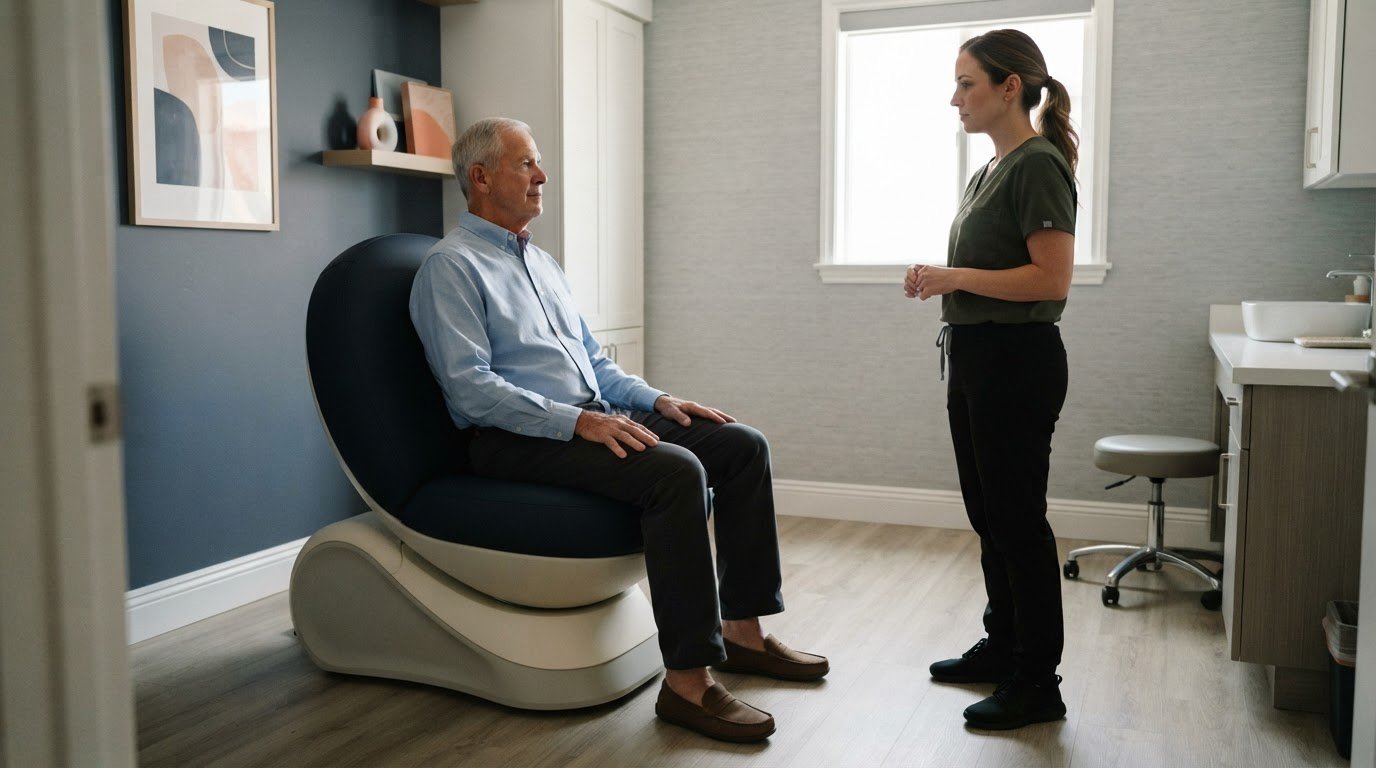
NAWRA’s ExoPod Full-Body Therapy is a separate wellness offering, not pelvic floor rehabilitation. It may suit broader wellness goals, but it does not assess or treat urinary, bowel, or pelvic floor symptoms. For those concerns, seek evaluation from a health care provider who can discuss appropriate pelvic rehabilitation.
Keep the distinction clear: an offering’s name doesn’t establish that it treats pelvic floor dysfunction. Choose care based on the concern you want addressed, whether it’s pelvic symptoms that need clinical evaluation or a separate wellness goal. NAWRA also offers EMSCULPT NEO, DEXA Body Composition, and BOA Lymphatic Drainage for other wellness needs.
For information about ExoPod Full-Body Therapy, contact NAWRA.
Make your next step specific
Choosing pelvic floor therapy in Cypress starts with matching care to your symptoms, not simply choosing the nearest address. For ongoing urinary, bowel, or pelvic concerns, use a health care provider’s evaluation to guide decisions about rehabilitation. Keep broader wellness goals distinct from pelvic floor treatment.
NAWRA offers wellness services including ExoPod Full-Body Therapy, EMSCULPT NEO, and DEXA Body Composition. These offerings are separate from pelvic floor rehabilitation. If you’d like to learn about NAWRA’s wellness options, contact NAWRA to discuss your goals.
A clear next step is simple: identify the concern you want addressed, then choose the appropriate kind of care. A focused plan can help you move forward with greater clarity and confidence.
Frequently Asked Questions
What does pelvic floor physical therapy treat?
Pelvic floor physical therapy treats muscle weakness, excess tension, and coordination problems that can contribute to urinary leakage or urgency, bowel-control changes, and pelvic pain. Treatment depends on the assessment: muscles may need strengthening, relaxation, or coordination practice. A therapist may consider whether symptoms affect lifting, walking, or another daily activity, then use that functional context to shape treatment goals.
Where can I find pelvic floor therapists in Cypress, TX?
For Cypress, Texas, a listing cited in this article names Anushree Mukherjee at 21214 north west freeway, Cypress, Texas 77429. The address alone doesn’t establish pelvic-floor specialization or appointment availability. For Cypress, California, NAWRA is located at 5122 Katella Avenue, Suite 201, Los Alamitos. Its service area includes Cerritos, Long Beach, Seal Beach, La Palma, Buena Park, Lakewood, Anaheim, Norwalk, Irvine, Laguna Niguel, Newport Beach, Huntington Beach, Bellflower, Tustin, Fullerton, and Yorba Linda.
What conditions qualify for pelvic floor therapy and a referral?
Urinary leakage, urgency, bowel-control changes, pelvic pain, and pelvic floor weakness are concerns to discuss with a health care provider. A symptom or diagnosis doesn’t automatically determine whether therapy is appropriate; an evaluation considers the person’s needs. No referral is required to book a NAWRA assessment or treatment. These services have not been evaluated by the FDA and are not intended to diagnose, treat, cure, or prevent any disease.